
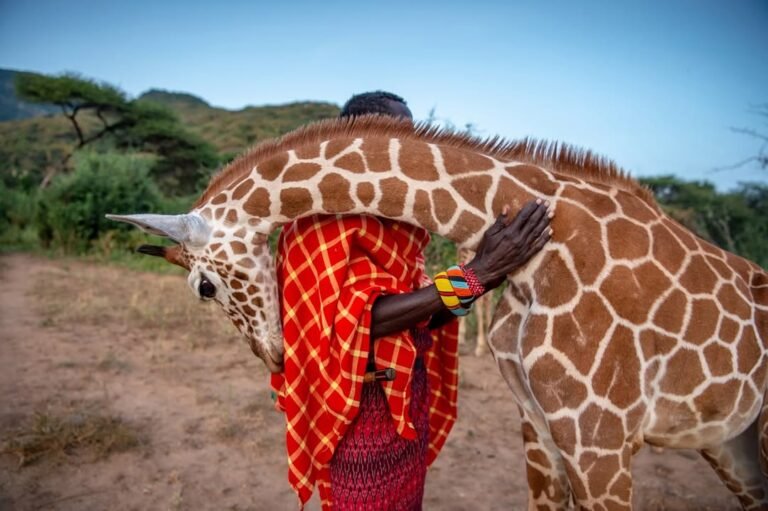
In the western world, we measure time in seconds and minutes. In the Serengeti, we measure it in movements. The flick of a leopard’s tail in a sausage tree; the sudden silence of cicadas when a predator is near; the shifting of the wind that carries the scent of rain from the Ngorongoro Highlands.
At Maasai Way Safaris, we often tell our guests: “You come for the animals, but you return for the feeling.” This guide is designed for the discerning traveler—the one who seeks to understand the “Why” behind the “What.” We are diving deep into the logistics, the ecosystems, and the indigenous tracking secrets that transform a standard vacation into a life-defining odyssey.

The Ecological Blueprint of the Northern Circuit
Tanzania’s Northern Circuit is arguably the most productive wildlife corridor on the planet. However, to experience it correctly, one must understand the distinct “personalities” of its parks.
Tarangire: The Land of the Giants
Often overshadowed by the Serengeti, Tarangire is the silent hero of the Northern Circuit. During the dry season (July to October), it boasts the highest concentration of elephants in the world.
- The Maasai Insight: We track the “Great Elephant Migration” from the Manyara basin into Tarangire. Here, you see matriarchs leading their families to ancient Baobab trees—some over 1,000 years old—which act as water reservoirs.
- Expert Sighting: Look for the “Tree-Climbing Pythons” in the Silale Swamp. It is a sight few travelers ever witness because it requires a guide with the patience to scan the canopy.
The Ngorongoro Crater: Life in a Lost World
The Crater is a 600-meter deep caldera that houses 30,000 animals in a self-sustaining ecosystem.
- The Logistics of Privacy: The Crater can be busy. The Maasai Way strategy is simple: The First Descent. We ensure our guests are at the gate at 6:00 AM. While others are having a second cup of coffee at their lodge, we are watching the morning light hit the tusks of the “Big Tuskers”—the legendary old elephants that reside on the crater floor.
- The Rhino Watch: This is your best chance to see the critically endangered Black Rhino. We position our vehicles near the Lerai Forest, the preferred habitat for these prehistoric-looking legends.
The 2026/2027 Wildlife Index
When to go for your specific “Why”
| Goal | Best Months | The “Maasai Way” Reason |
|---|---|---|
| Predator Action | Feb – March | Short grass in Ndutu makes cheetah and lion hunts highly visible. |
| The Big Crossing | July – Sept | High-stakes drama at the Mara River. Requires patience and expert positioning. |
| Birding & Lushness | Nov – Dec | Migratory birds arrive from Europe; the “Short Rains” turn the dust into emerald green. |
| The Quiet Safari | June | The transition month. The grass is tall, the crowds haven’t arrived, and the air is crystal clear. |
The Art of the Track
How a Maasai Guide Sees What You Miss
A standard guide uses a radio. A Maasai Way guide uses their heritage. Indigenous tracking is a sensory science.
- The “Newspaper” of the Sand: In the early morning, the road is a storybook. A drag mark might indicate a leopard moving a kill; a specific hoof print tells us how long ago a buffalo herd passed.
- The Sentinel Birds: When we hear the alarm call of a Plover or the frantic chatter of a Squirrel, we stop the engine. These animals are the “security system” of the bush. By listening to them, we find the predators that are hiding in the thickets.
- The Scent of the Savannah: Did you know you can smell a leopard? Or the specific honey-scent of a kill? Our guides train you to use your nose to identify the proximity of the wild.
Your Journey, Their Future
A Maasai Way safari is a partnership with the community. We are currently funding three primary pillars:
- The Clean Water Initiative: Building boreholes for Maasai communities on the edge of the Ngorongoro Conservation Area.
- Education for Girls: Supporting secondary school scholarships for Maasai girls to become the next generation of conservationists.
- Predator Protection: Working with local herders to prevent human-wildlife conflict through “Living Walls” (lion-proof bomas).
When you book with us, a portion of your fee is invested directly into these projects. You aren’t just a visitor; you are a patron of the savannah.
The Horizon is Calling
The Serengeti is not just a place; it is a feeling of infinite possibility. It is the realization that we are small in the face of nature’s grandeur—and that there is peace in that smallness.
As the sun sets over the acacia trees, painting the sky in shades of violet and burnt orange, you will realize that you have changed. The city noise has faded. The “Safari Soul” has taken over.
Are you ready to witness the wild the right way?
