Serengeti National Park Tanzania
Learn about the Great Migration, best time to visit, safari activities, accommodation, wildlife, and how to plan the perfect Serengeti safari with Maasai Way Safaris.
- Great Migration
- Vast open savannah landscapes
- Outstanding year-round wildlife viewing
- Luxury and budget safari experiences
- Exceptional photography opportunities
- Stunning sunrises and sunsets
The Ultimate Guide to Africa's Most Famous Safari Destination
Start Your Adventure With Us
Our local experts will respond with a custom layout and quote within 24 hours.
By continuing, you agree to our
Terms of Service and Privacy Policy
Welcome to Serengeti National Park
- Serengeti National Park Tanzania | Ultimate Travel Guide & Safari Information | Maasai Way Safaris
Few places on earth capture the imagination of travelers quite like Serengeti National Park. Located in northern Tanzania, Serengeti is one of the world's most celebrated wildlife destinations and a dream destination for safari enthusiasts, photographers, honeymooners, families, and adventure travelers.
Covering approximately 14,763 square kilometers, Serengeti National Park forms the heart of the larger Serengeti ecosystem, a vast protected wilderness stretching into neighboring Kenya where it connects with the famous Maasai Mara. This remarkable landscape has remained largely unchanged for thousands of years and continues to host one of nature's most spectacular events: the Great Migration.
The endless plains, dramatic sunsets, diverse ecosystems, and extraordinary wildlife encounters have earned Serengeti National Park recognition as a UNESCO World Heritage Site and one of Africa's most iconic safari destinations.
Whether you are planning your first safari in Tanzania or returning for another adventure, Serengeti National Park offers experiences that remain unforgettable long after your journey ends.
Why is Serengeti National Park Famous?
Serengeti National Park is famous for several reasons, but perhaps none is more impressive than its role in hosting the largest overland wildlife migration on Earth.
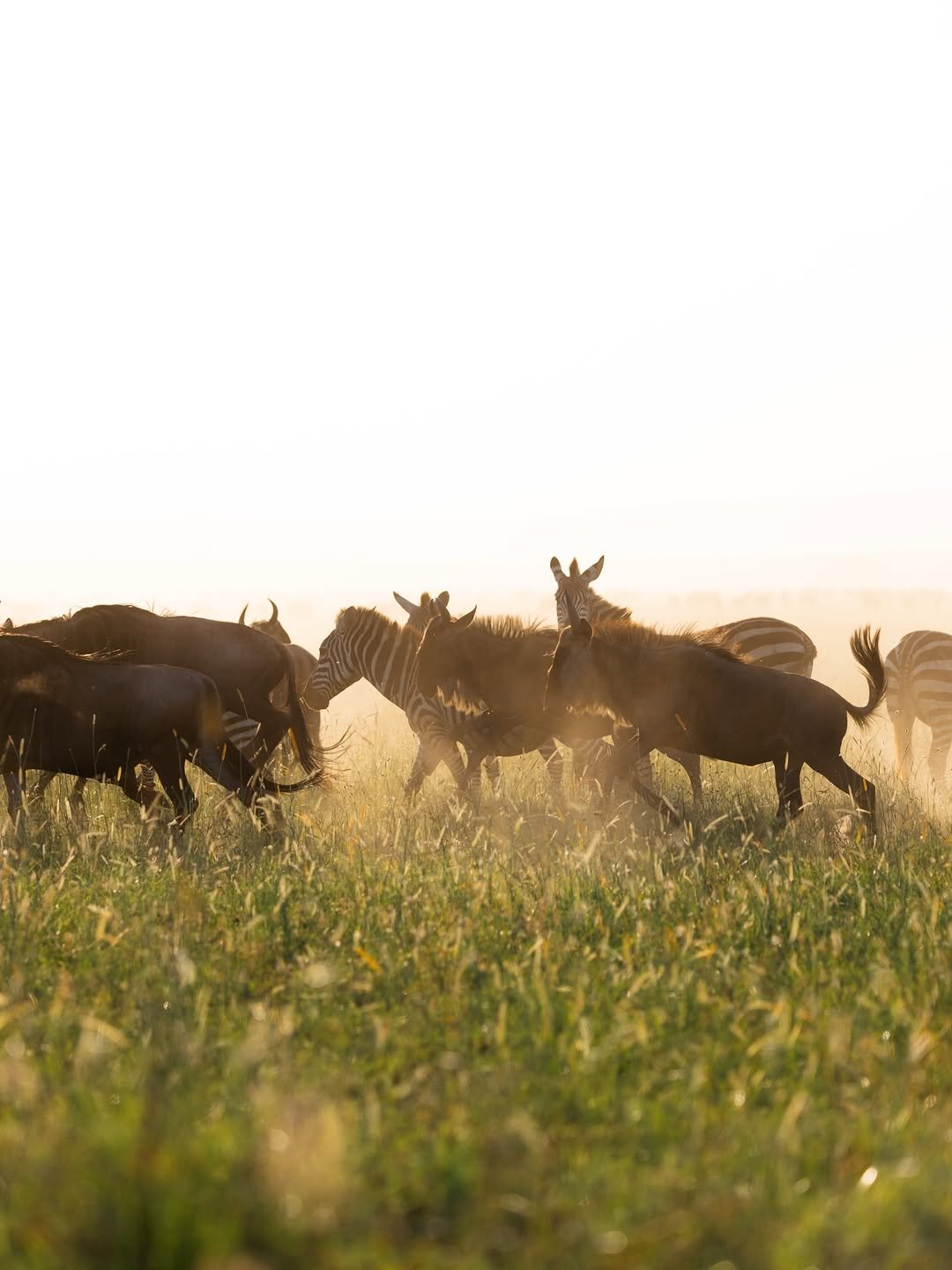
Each year, millions of animals move across the Serengeti ecosystem following seasonal rainfall patterns in search of fresh grazing grounds. This incredible movement creates dramatic wildlife spectacles that attract visitors from every corner of the globe.
However, Serengeti is much more than the Great Migration.
The park is known for:
- Vast open savannah landscapes
- Outstanding year-round wildlife viewing
- Luxury and budget safari experiences
- Exceptional photography opportunities
- Rich ecological diversity
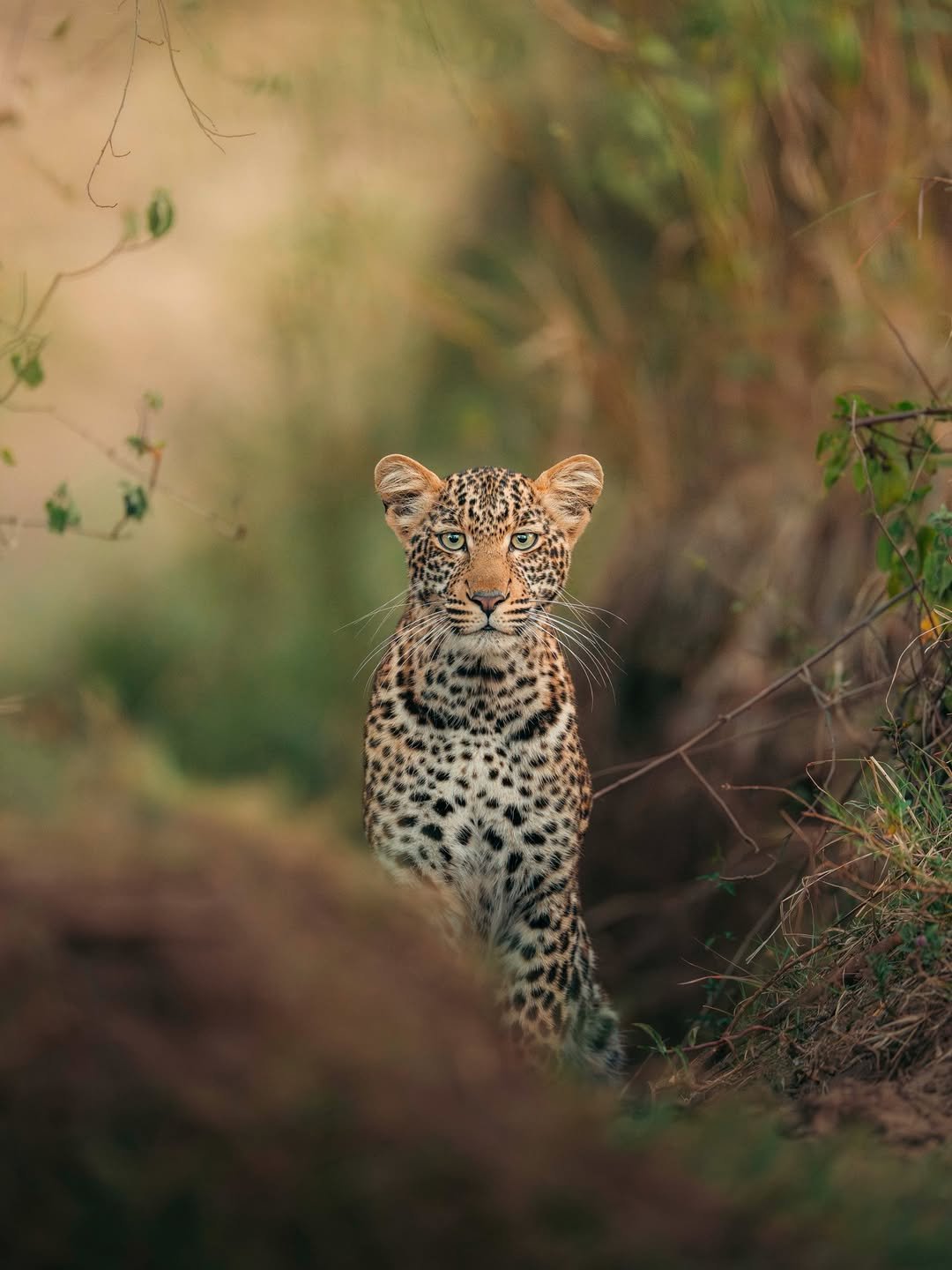
- Remarkable predator populations
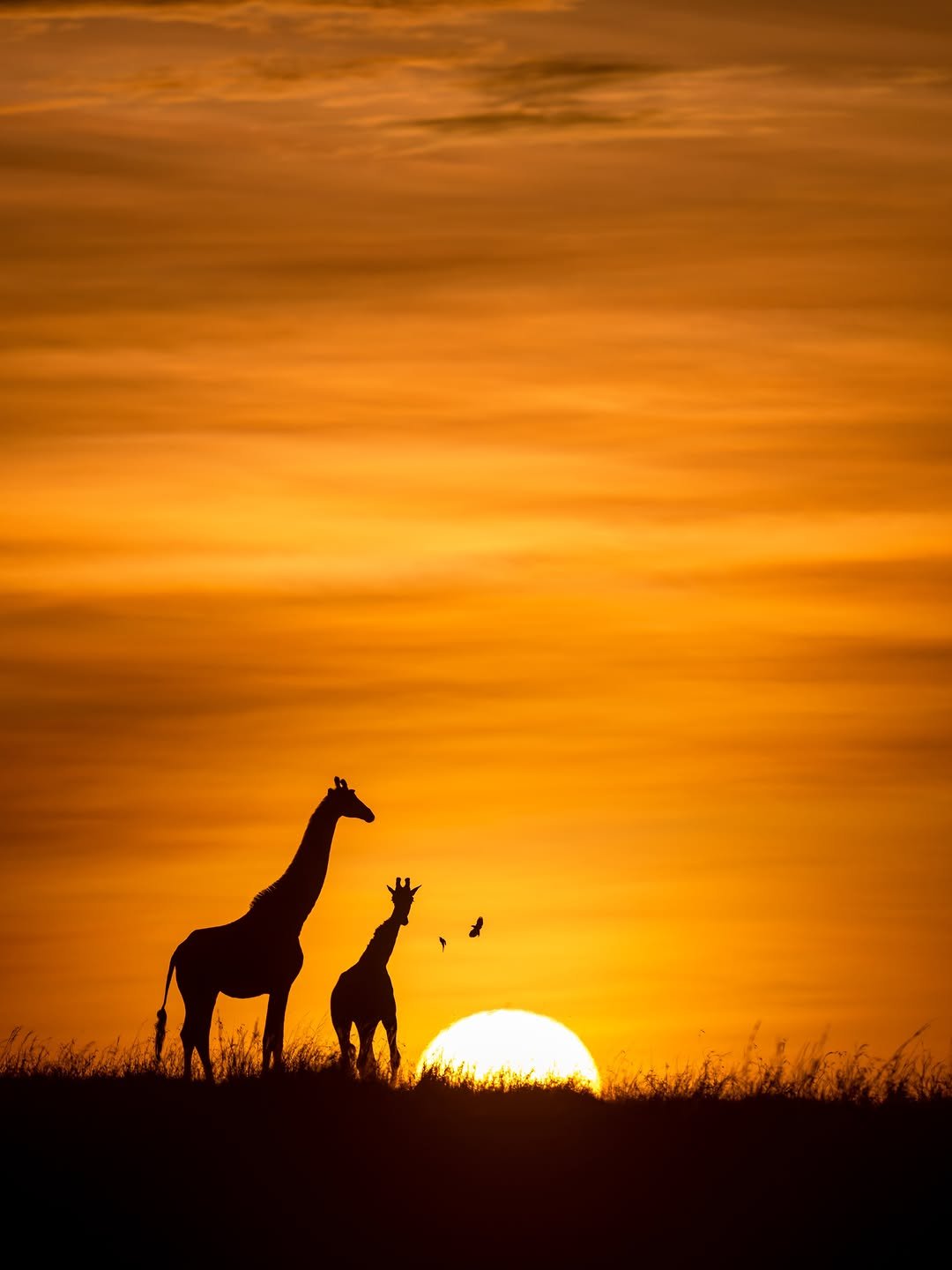
- Stunning sunrises and sunsets
- Authentic African wilderness experiences
Unlike many wildlife destinations where animal sightings can vary greatly, Serengeti consistently provides extraordinary safari experiences throughout the year.
The History of Serengeti National Park
The history of Serengeti National Park dates back long before modern conservation efforts began.
For centuries, the region was home to the Maasai people, whose traditional lifestyle coexisted with wildlife across the vast plains. The name "Serengeti" itself comes from the Maasai word Siringet, meaning "endless plains."
During the early twentieth century, explorers, conservationists, and researchers began documenting the incredible wildlife populations found throughout the region.
In 1951, Serengeti National Park was officially established to protect this unique ecosystem and ensure the survival of its wildlife populations for future generations.
Today, Serengeti remains one of the most important conservation areas in Africa and continues to serve as a model for wildlife preservation worldwide.
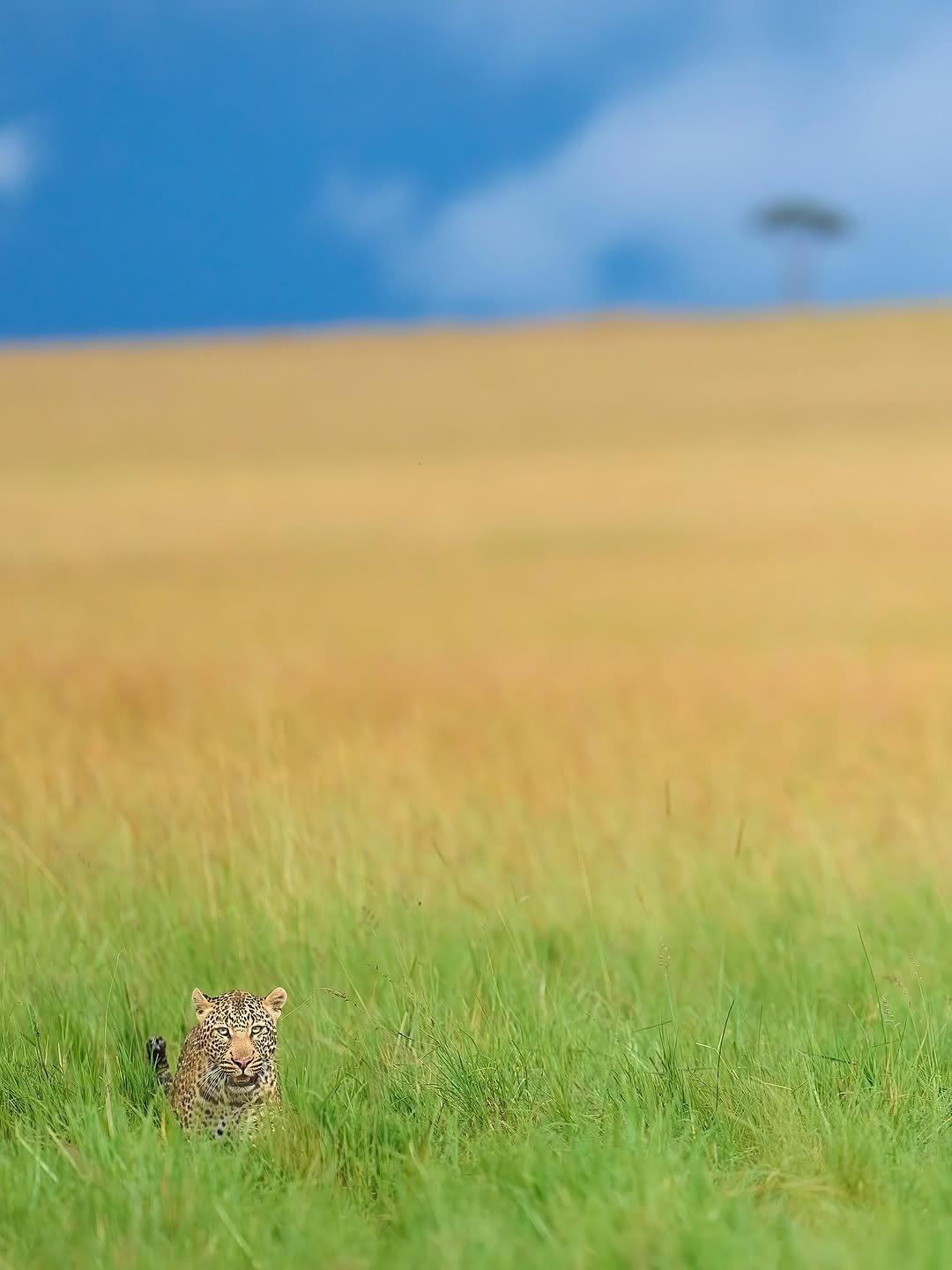
Where is Serengeti National Park Located?
Serengeti National Park is situated in northern Tanzania and forms part of the Northern Safari Circuit, Tanzania's most popular safari route.
The park borders:
- Ngorongoro Conservation Area to the southeast
- Kenya to the north
- Grumeti Game Reserve to the west
Most visitors access Serengeti from Arusha, the safari capital of Tanzania.
Travel Distances
- Arusha to Serengeti by road: 335 km
- Driving time: 7–8 hours
- Flight time: Approximately 1 hour
Many travelers combine Serengeti with Tarangire, Lake Manyara, and Ngorongoro Crater as part of a multi-day Tanzania safari.
The Great Migration: Nature's Greatest Show
No discussion of Serengeti National Park would be complete without exploring the Great Migration.
Often described as the greatest wildlife spectacle on Earth, the Great Migration involves over two million animals moving throughout the Serengeti-Mara ecosystem.
Unlike what many travelers assume, the migration does not occur in a straight line. Instead, it follows a continuous annual cycle determined by rainfall patterns and grazing conditions.
January to March
The migration gathers across the southern Serengeti and Ndutu region.
This period is known as calving season, when hundreds of thousands of young animals are born.
April to June
The herds begin moving northward through central Serengeti.
Long columns of animals stretch across the landscape as they continue their journey.
July to October
The migration reaches northern Serengeti where dramatic river crossings occur.
These crossings represent some of the most sought-after safari experiences in Africa.
November to December
The herds begin their return toward southern Serengeti, completing the annual cycle.
Because the migration moves year-round, every season offers unique experiences for visitors.
Best Time to Visit Serengeti National Park
One of the most common questions travelers ask is:
"When is the best time to visit Serengeti National Park?"
The answer depends on what you want to experience.
Dry Season (June to October)
Advantages include:
- Excellent wildlife visibility
- Pleasant temperatures
- Less vegetation
- Outstanding photography conditions
This is generally considered peak safari season.
Green Season (November to May)
Advantages include:
- Beautiful landscapes
- Fewer visitors
- Lower accommodation rates
- Excellent birdwatching
- Calving season experiences
Many professional photographers actually prefer this season due to the lush scenery and dramatic skies.
Safari Activities in Serengeti National Park
Classic Game Drives
The most popular safari activity.
Morning, afternoon, and full-day game drives allow visitors to explore different areas of the park while maximizing wildlife viewing opportunities.
Hot Air Balloon Safari
One of the most exclusive experiences available in Serengeti.
Floating above the plains at sunrise provides breathtaking views that few travelers ever forget.
Photography Safaris
Serengeti is widely considered one of Africa's premier destinations for wildlife photography.
Walking Safaris
Available in selected concession areas with qualified guides.
Walking safaris offer a completely different perspective on the African wilderness.
Cultural Experiences
Many itineraries combine Serengeti safaris with visits to Maasai communities where visitors can learn about local traditions and culture.
Why Book Your Serengeti Safari with Maasai Way Safaris?
At Maasai Way Safaris, we specialize in creating unforgettable Tanzania safari experiences.
Our local expertise, experienced guides, personalized service, and commitment to authentic travel experiences allow us to design journeys that go beyond ordinary safaris.
Whether you are planning a private safari, family adventure, honeymoon, migration safari, or combined Kilimanjaro and safari package, we help you experience Serengeti National Park in the most meaningful way possible.