Ngorongoro Crater: The World's Largest Intact Volcanic Caldera
A self-contained wildlife kingdom spanning 260 square kilometers, enclosed by 600-meter walls — where the Big Five roam an ancient volcanic bowl in some of Africa's most concentrated game viewing.
- Outstanding year-round wildlife viewing
- Luxury and budget safari experiences
- Exceptional photography opportunities
Plan Your Ngorongoro Safari
Start Your Adventure With Us
Our local experts will respond with a custom layout and quote within 24 hours.
By continuing, you agree to our
Terms of Service and Privacy Policy
Welcome to Ngorongoro Crater
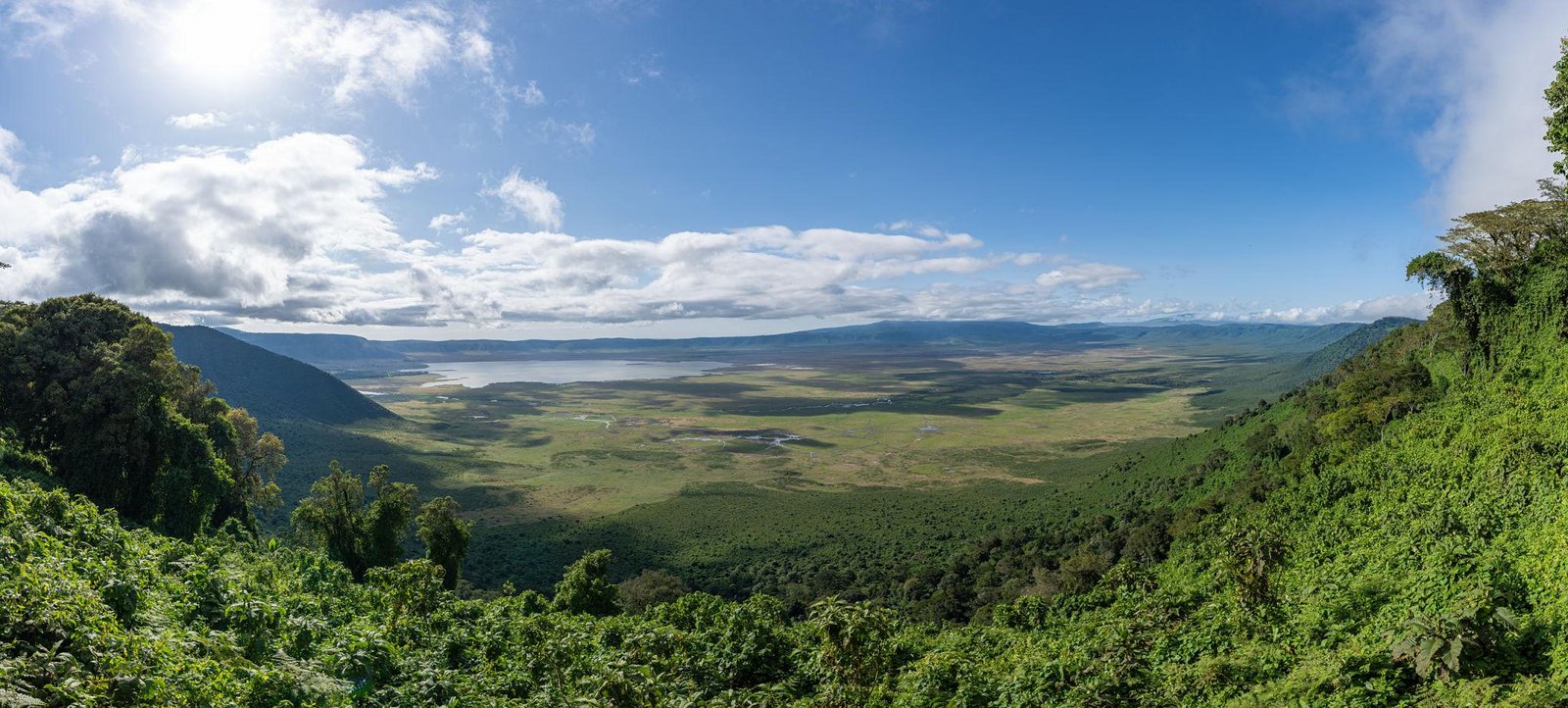
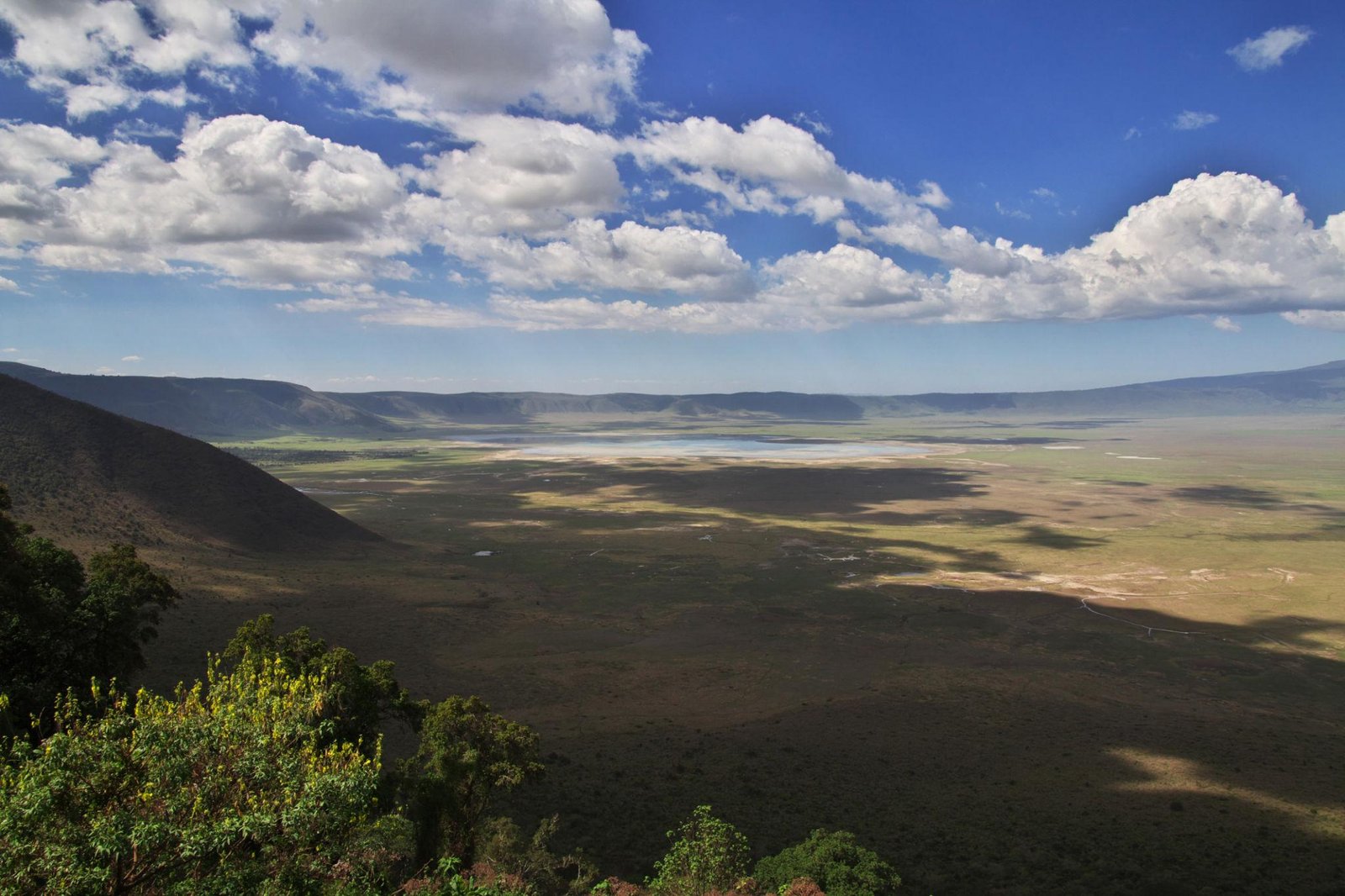
Few places on Earth compress this much wildlife into this little space. Ngorongoro Crater is a collapsed volcano — a caldera roughly 19 kilometers across and 610 meters deep, walled in on every side, holding an entire self-contained ecosystem of grassland, forest, swamp, and soda lake on its floor. Descend the access road from the rim and you enter what's often called Africa's Garden of Eden: around 25,000 large mammals living within a single, enclosed bowl, including one of Tanzania's last strongholds of the critically endangered black rhino.
Unlike the Serengeti, where wildlife viewing depends heavily on tracking the Great Migration's position, Ngorongoro's game is largely resident — the animals don't leave, because the crater's walls and permanent water make leaving unnecessary. That makes it one of the most reliable single-day safari experiences anywhere in Africa, and the reason it's built into almost every Northern Circuit itinerary regardless of season.
But Ngorongoro is more than a wildlife bowl. The wider Ngorongoro Conservation Area (NCA) surrounding it is a working landscape where Maasai pastoralists still graze cattle alongside the wildlife, and it holds Olduvai Gorge — one of the most important sites in the world for understanding human origins. Few destinations anywhere combine geology, wildlife, and human history this densely in one place.
Ngorongoro Quick Tips
Quick Facts
| Location | Ngorongoro Conservation Area, northern Tanzania — about 120 km (3–4 hours by road) west of Arusha |
| Type | Volcanic caldera (collapsed volcano) |
| Formed | Approximately 2–2.5 million years ago |
| Diameter | 16–19 km |
| Crater floor area | Approximately 260 sq km |
| Depth (rim to floor) | 610 m (2,000 ft) |
| Rim altitude | Approximately 2,286 m (7,500 ft) |
| Floor altitude | Approximately 1,700 m (5,600 ft) |
| Resident wildlife | An estimated 25,000+ large mammals |
| Black rhino population | Roughly 16–20 individuals — one of Tanzania's last viable populations |
| Lion population | Roughly 60–70 individuals, in a handful of prides |
| Protected status | UNESCO World Heritage Site (1979); part of the Ngorongoro Conservation Area, established 1959 |
| Nearest town | Karatu — the main gateway town, roughly 20–30 minutes from the crater rim |
The History of Serengeti National Park
Roughly 2 to 2.5 million years ago, a volcano in this part of the Great Rift Valley — some estimates suggest it once stood as tall as Kilimanjaro — erupted and collapsed in on itself, leaving behind the largest intact, unfilled caldera on Earth. What could have become a mountain instead became a bowl, and that bowl is what visitors descend into today.
Human history here runs almost as deep as the geology. The wider Ngorongoro Conservation Area contains Olduvai Gorge, a steep-sided ravine where archaeologists Louis and Mary Leakey uncovered Homo habilis fossils in 1959–1960 — a discovery that reshaped scientific understanding of where and when the human lineage began. Nearby, the Laetoli site preserves footprints laid down roughly 3.6 million years ago by early hominins walking upright, among the oldest such evidence ever found.
The Ngorongoro Conservation Area itself was established in 1959 as a "multiple land use" area — a deliberate policy allowing Maasai communities to continue living and grazing cattle here, coexisting with the wildlife, even as the neighboring Serengeti was designated wildlife-only. That arrangement, unusual among Africa's major conservation areas, continues today: Maasai bomas within the NCA are a living part of the landscape, not a historical reenactment. UNESCO recognized the area's combined natural and cultural significance with World Heritage status in 1979.
Best Time to Visit Ngorongoro Crater
Ngorongoro is one of the few Northern Circuit destinations that genuinely rewards a year-round visit, since its wildlife is resident rather than migratory.
- Dry season (June–October): Clearest skies and easiest roads; the classic time to visit, and the busiest — expect more vehicles on the crater floor. Mornings on the rim can drop close to freezing, so warm layers matter even though the crater floor itself stays comfortable (roughly 20–28°C / 68–82°F during the day).
- Green season (November–May): Lush, dramatic scenery with fewer vehicles sharing the crater floor, and — if visiting January to March — proximity to the Ndutu calving season just across the NCA/Serengeti boundary. The short rains (November–December) and long rains (March–May) bring afternoon showers but rarely disrupt a full day's game viewing.
Because temperatures swing significantly between the crater floor and the rim, layered clothing is worth calling out explicitly on this page — it's one of the most common surprises for first-time visitors.
Why you visit Ngorongoro Crater
- The most reliable Big Five day in Tanzania. Ngorongoro's closed ecosystem concentrates wildlife predictably in a way open landscapes like the Serengeti simply can't match — including black rhino, rare almost everywhere else on the Northern Circuit.
- A landscape unlike anywhere else on the circuit. The descent from the crater rim onto the floor, 610 meters below, is a genuinely dramatic transition — forested highlands giving way to open grassland and a shimmering soda lake.
- Deep human history, not just wildlife. A half-day at Olduvai Gorge turns a wildlife trip into a journey through the origins of humanity itself.
- Living Maasai culture. Few conservation areas in Africa still allow indigenous communities to live within their boundaries — a boma visit here is a genuine cultural exchange, not a staged photo stop.
- Consistent, year-round wildlife viewing. Because the crater's animals are largely resident rather than migratory, there's no real "wrong season" to visit — a rare quality among East Africa's headline destinations.
Ngorongoro Crate Safari Packages
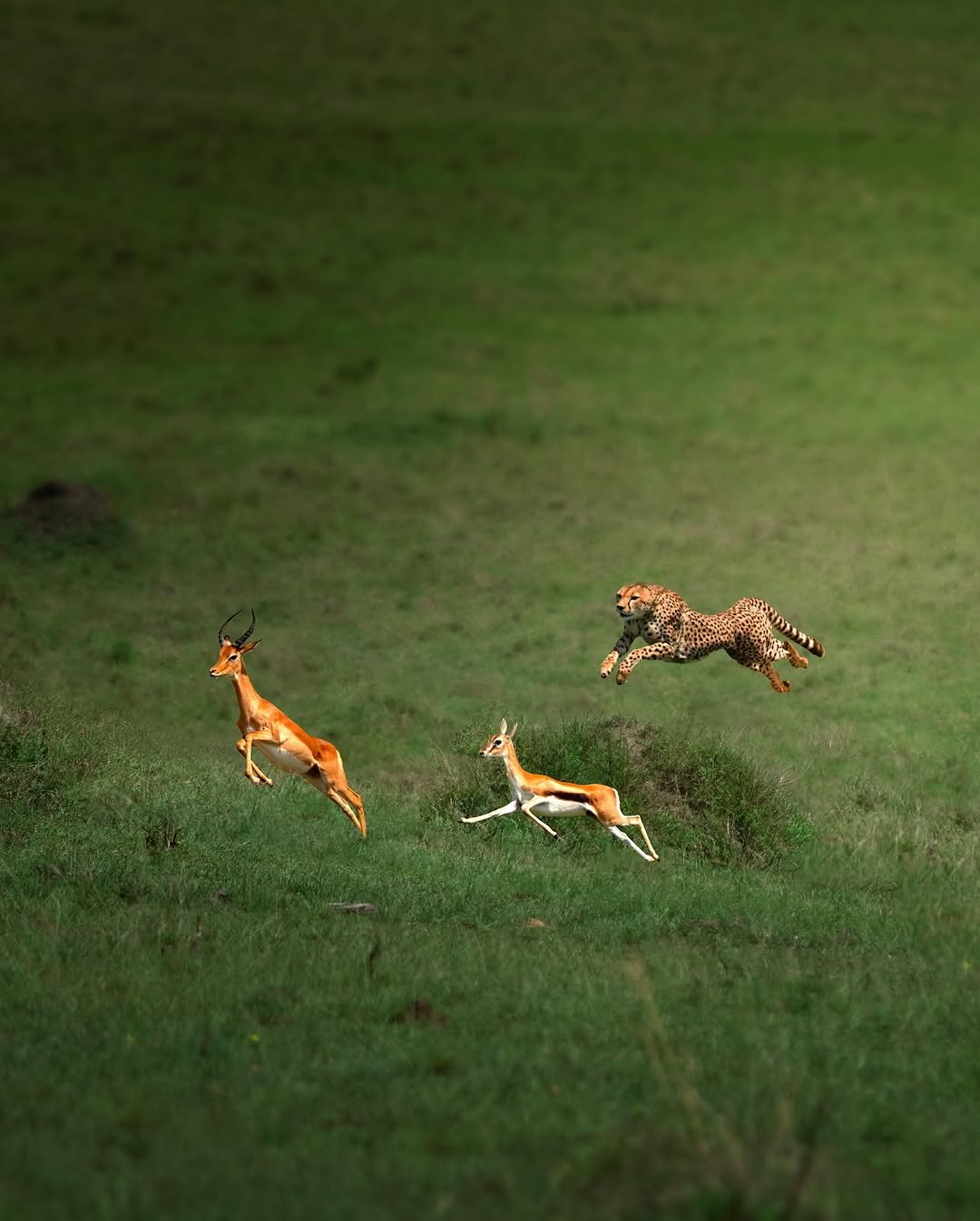
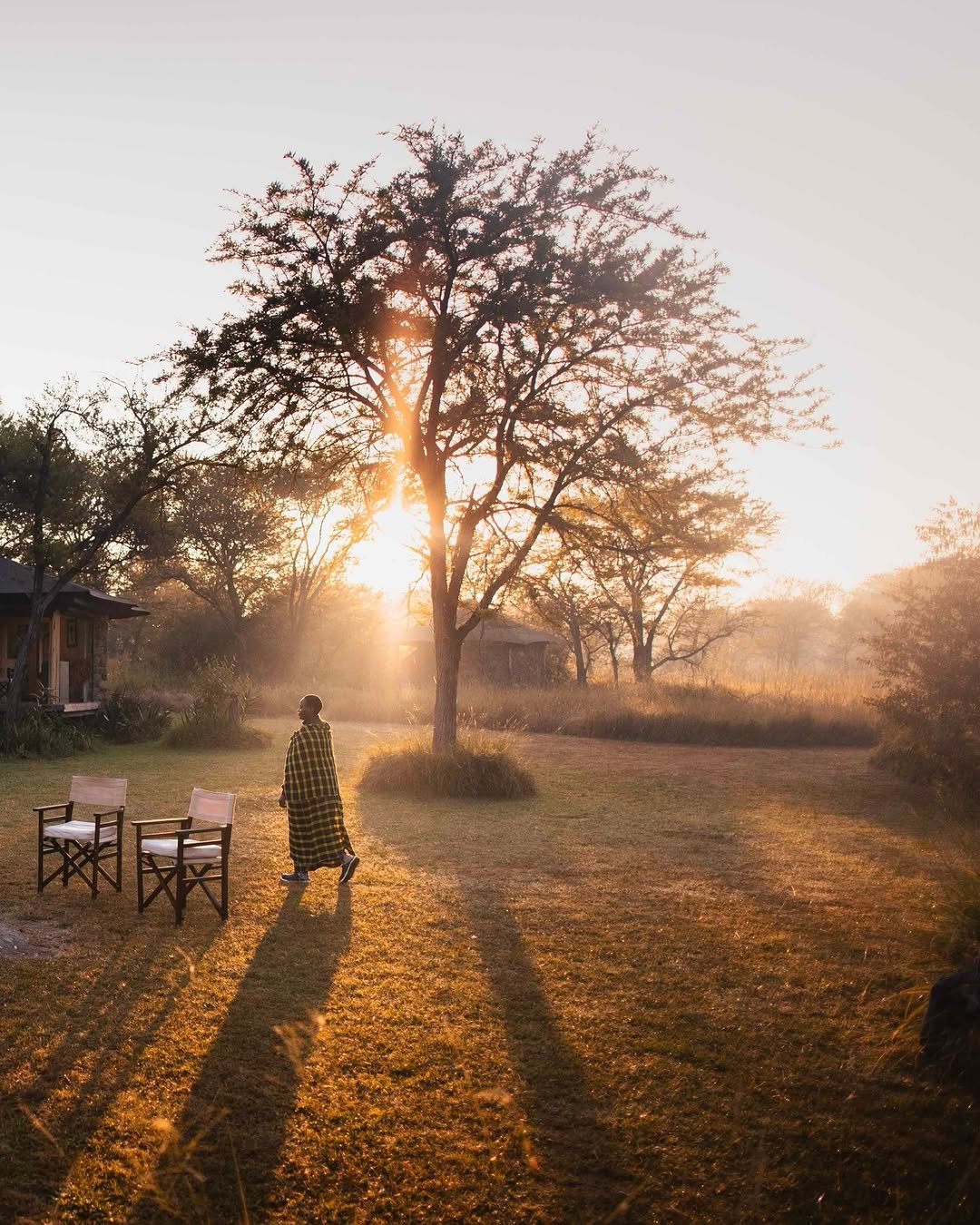
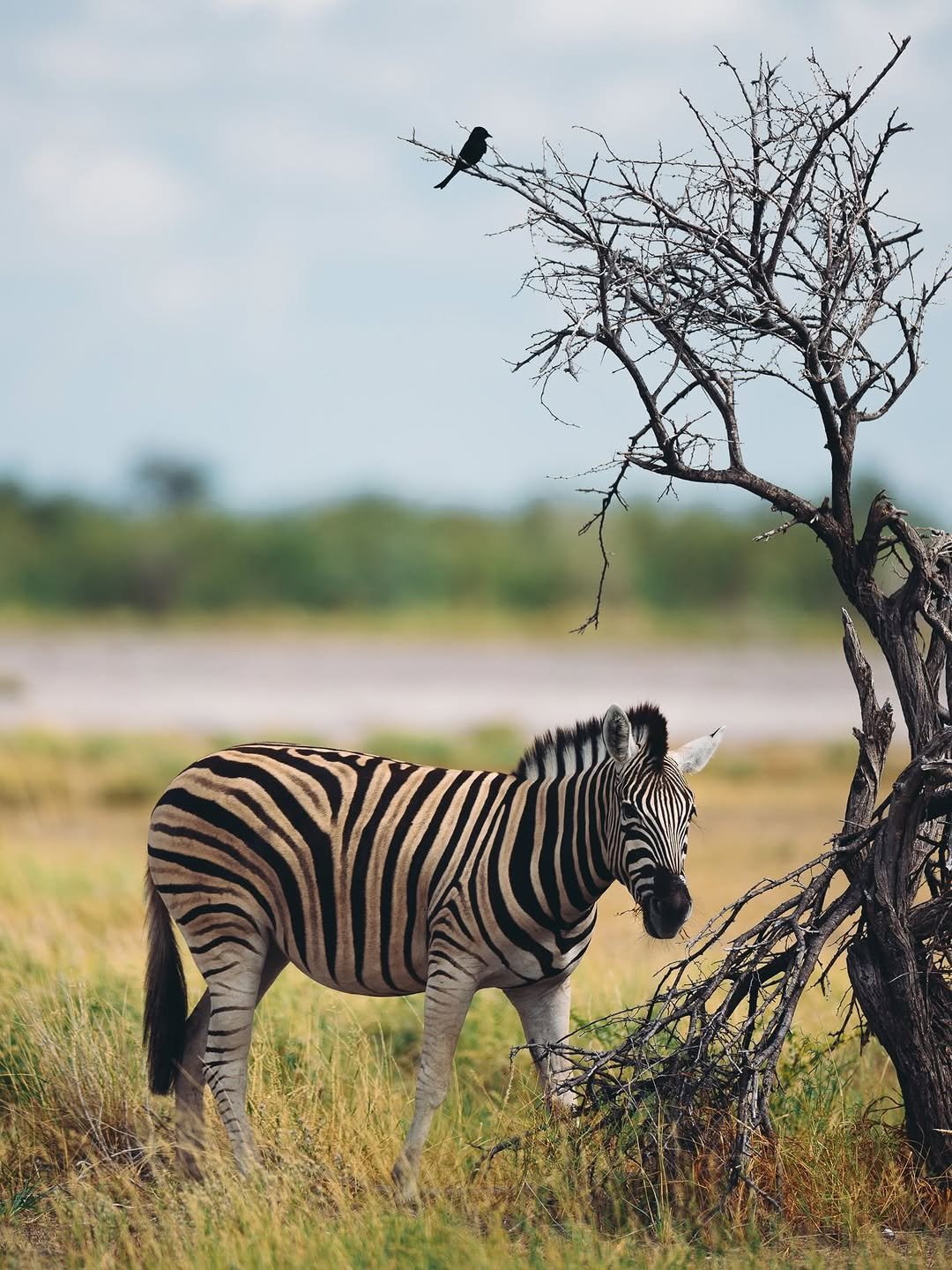
Ngorongoro Crater Wildlife and Attraction
Wildlife
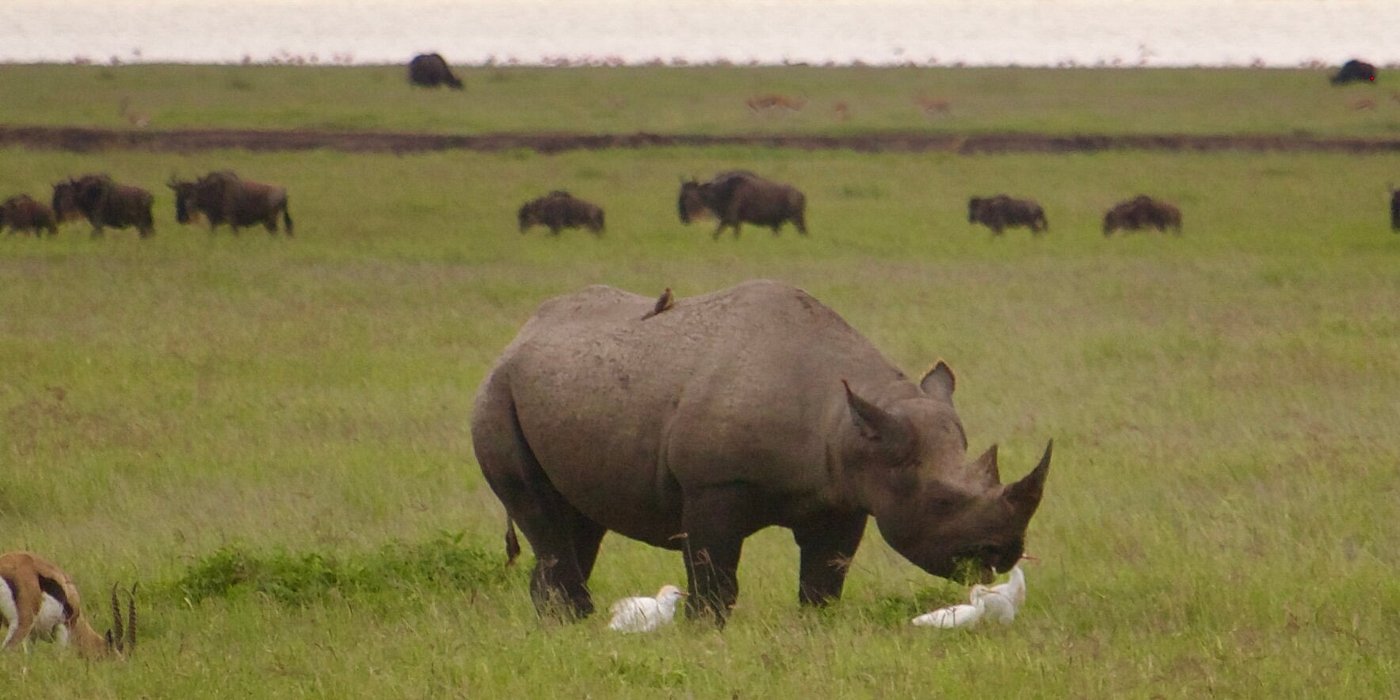
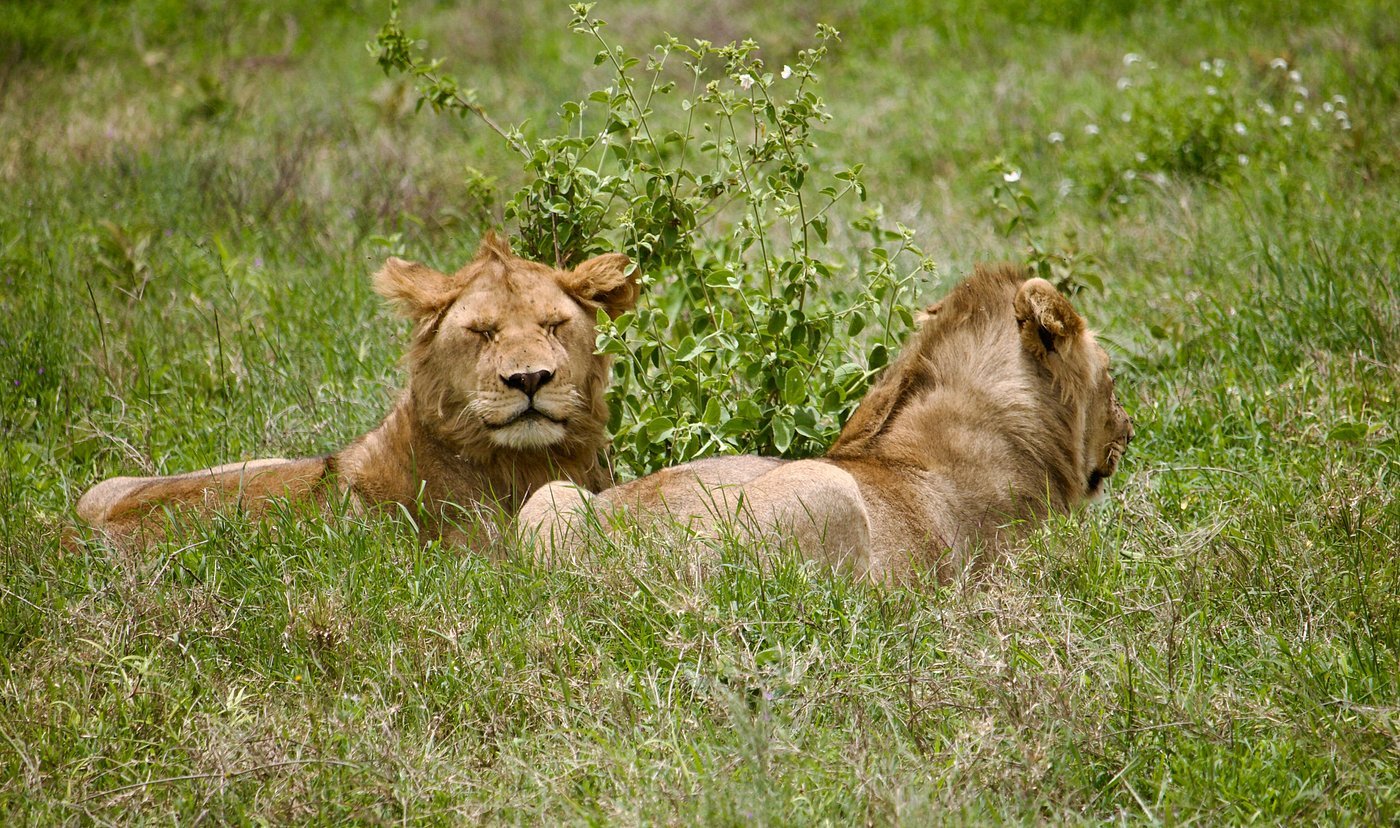
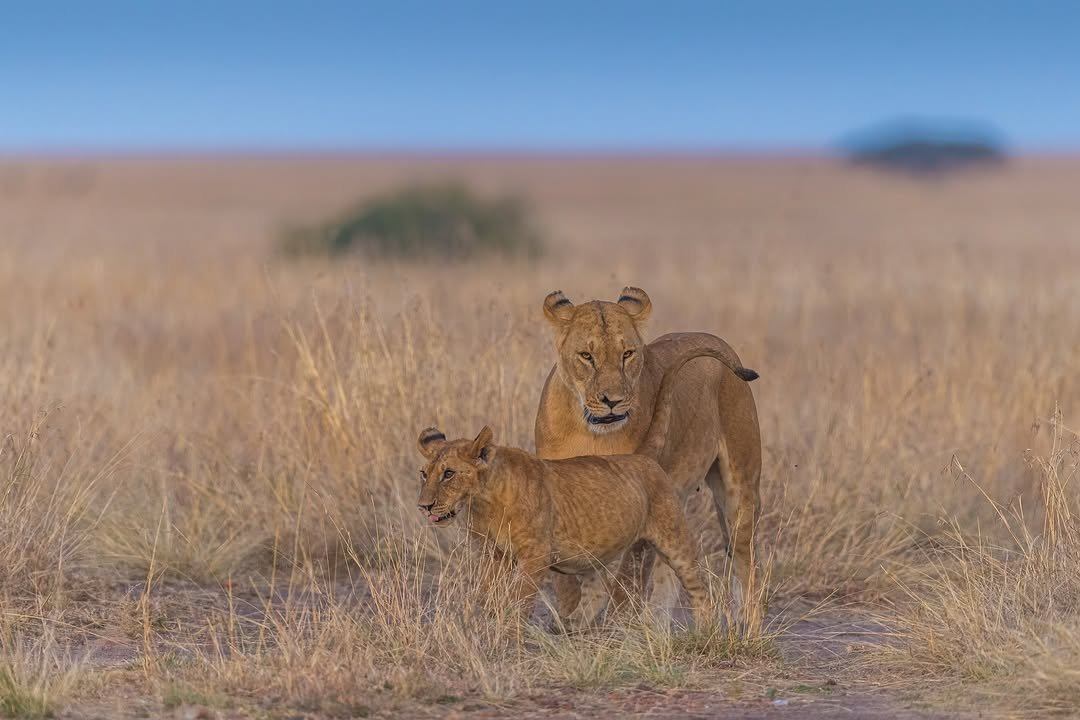
Ngorongoro holds all of the Big Five, including one of Tanzania's last strongholds of critically endangered black rhino — roughly 16–20 individuals, closely monitored and among the most reliable rhino sightings anywhere in the country. The crater's lion population is a story in itself: today's prides descend from just 15 survivors of a biting-fly epidemic that swept through in 1962, a genetic bottleneck researchers still study, though it hasn't diminished how often they're seen.
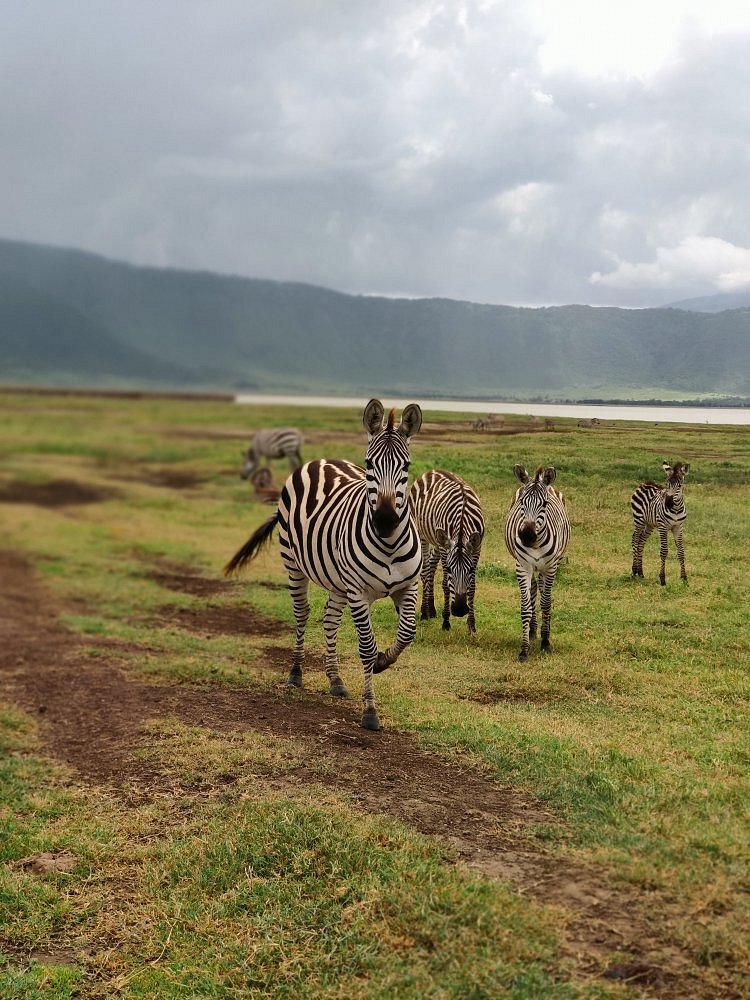
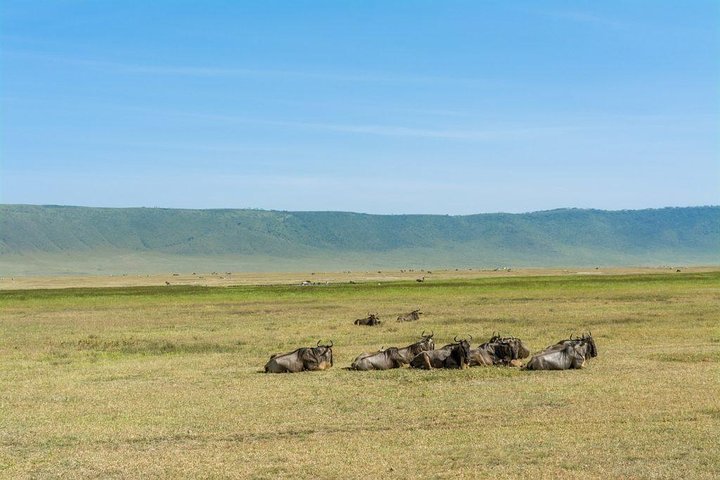
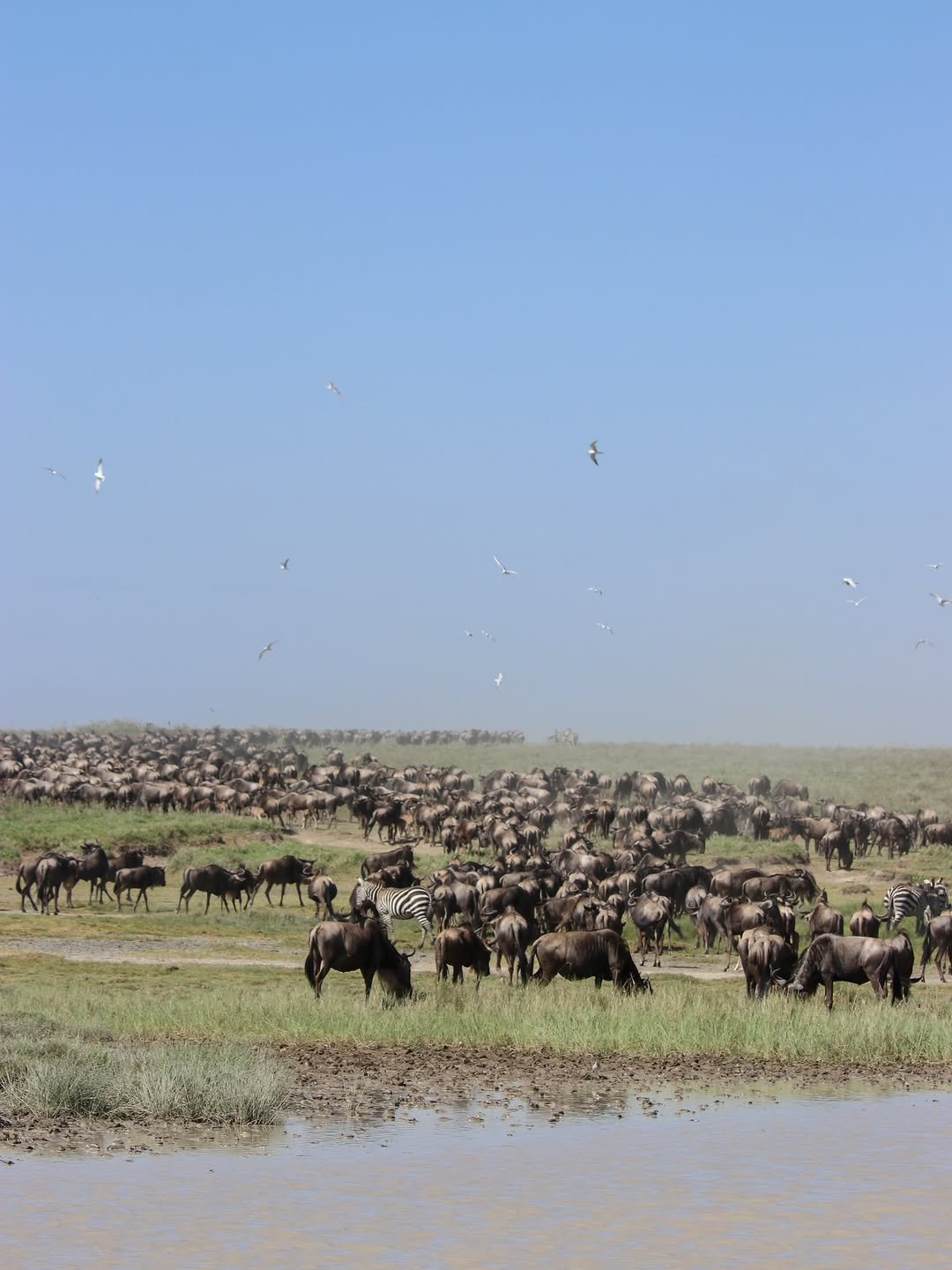
Large elephant bulls are a common sight on the crater floor, particularly around the Lerai Forest — interestingly, breeding herds with young calves tend to stay in the surrounding highland forests rather than the open crater floor, so most elephants you'll see inside the crater itself are older bulls. Cape buffalo move in large resident herds, alongside roughly 6,000 non-migratory wildebeest, plentiful zebra, Grant's and Thomson's gazelle, and eland. Hippo concentrate around Ngoitokitok Springs and the Gorigor Swamp, while flamingos — sometimes tens of thousands at a time — gather on the alkaline shallows of Lake Magadi. Spotted hyena clans here have been the subject of long-running scientific research, and cheetah and leopard are both present, with leopard most often spotted in the Lerai Forest's cover.
Attractions
- Lake Magadi — a shallow soda lake on the crater floor, home to thousands of lesser and greater flamingos and one of the most photographed features in the crater
- Lerai Forest — a fever-tree forest of tall, pale-barked acacias favored by black rhino, elephant, eland, and leopard; one of the shadiest, most atmospheric spots on the crater floor
- Gorigor Swamp — a hippo stronghold and dry-season magnet for thousands of grazing ungulates
- Ngoitokitok Springs — a bubbling freshwater spring and popular picnic site, home to the well-known "Tokitok" lion pride and a resident hippo pool (keep lunch close — the local hawks are notorious for swooping in on unattended food)
- Olduvai Gorge & Museum — the archaeological site where Homo habilis was discovered, with a museum displaying original and replica fossils
- Laetoli — preserved 3.6-million-year-old hominin footprints, among the oldest direct evidence of upright walking
- Empakaai Crater — a smaller, little-visited caldera within the wider conservation area, its floor filled by a deep soda lake often crowded with flamingos; reached via a guided highland hike
- Olmoti Crater — a grassy, shallow caldera near a waterfall, another good highland hiking option away from the main crater's crowds
- Shifting Sands — a black, crescent-shaped dune of volcanic ash from the active Ol Doinyo Lengai volcano, sacred to the Maasai, that migrates slowly across the plains at roughly 15 meters a year
- Maasai Bomas — traditional homesteads on the crater highlands open to guided cultural visits
Things to do in Ngorongoro Safari
- Full-day crater floor game drive — the core Ngorongoro experience; typically a 6–8 hour descent-to-ascent circuit by 4x4
- Guided walking safari on the crater rim/highlands — walking is not permitted on the crater floor itself, but rim and highland walks with an armed ranger are available
- Olduvai Gorge Museum visit — usually combined as a stop en route between Ngorongoro and the Serengeti
- Empakaai or Olmoti Crater day hike — for travelers who want to go beyond the main crater and avoid the crowds
- Maasai boma cultural visit — arranged on the crater highlands, a genuine two-way cultural exchange rather than a scripted stop
- Picnic at Ngoitokitok Springs — a designated lunch stop on the crater floor, with hippo and birdlife close by
- Birdwatching at Lake Magadi — flamingos, storks, and other water birds in large numbers when conditions are right
- Sunrise or sunset viewing from the crater rim — several rim-edge lodges are positioned specifically for this, and it's worth building into any overnight stay here
Ngorongoro Safari FAQs
Can I stay overnight inside the crater? No. Accommodation is located on the crater rim or in the surrounding highlands; the crater floor itself is open for day visits only, from sunrise to a set departure time in the late afternoon.
How much does it cost to visit Ngorongoro Crater? Beyond your safari package cost, expect a conservation fee of roughly $71–83 per person per day plus a separate crater service (vehicle) fee of around $295 — one of the more significant single costs on a Northern Circuit itinerary, and worth confirming is included in any quote you compare.
Is Ngorongoro Crater better than the Serengeti? They're different experiences rather than directly comparable — Ngorongoro offers concentrated, highly reliable game viewing in a single day within a dramatic, enclosed landscape, while the Serengeti offers scale, migration drama, and multi-day variety. Most well-built Northern Circuit itineraries include both.
Am I guaranteed to see a black rhino? No sighting in the wild is ever guaranteed, but Ngorongoro is one of the most reliable places in Tanzania to see black rhino, thanks to the small, closely monitored resident population and the crater's open terrain.
How long should I spend at Ngorongoro? A single full day covers the crater floor thoroughly; travelers with more time often add a highland hike (Empakaai or Olmoti) or an Olduvai Gorge visit as a second day.
Is it cold at Ngorongoro? The crater rim can be surprisingly cold, especially in the early morning during the June–October dry season, sometimes approaching freezing. The crater floor itself is noticeably milder. Packing layers is essential regardless of season.
Why Book Your Ngorongoro Safari with Maasai Way Safaris?
At Maasai Way Safaris, we specialize in creating unforgettable Tanzania safari experiences.
Our local expertise, experienced guides, personalized service, and commitment to authentic travel experiences allow us to design journeys that go beyond ordinary safaris.
Whether you are planning a private safari, family adventure, honeymoon, migration safari, or combined Kilimanjaro and safari package, we help you experience Serengeti National Park in the most meaningful way possible.