There is a specific moment on a Tanzanian safari that stays with you forever. It isn’t the moment you see a lion—though that is electric. It is the moment the engine of your Land Cruiser cuts out in the middle of the Serengeti at dusk.
The Call of the Savannah: Why Tanzania, Why Now?
Suddenly, the “silence” reveals itself to be a symphony. You hear the rhythmic clipping of grass by a thousand zebras; the distant, low-frequency rumble of an elephant matriarch communicating with her herd; the wind whistling through the whistling-thorn acacias. In that moment, the modern world—with its notifications, anxieties, and relentless pace—simply ceases to exist.
At Maasai Way Safaris, we believe that a safari is not a sightseeing tour. It is a homecoming. It is a return to a version of ourselves that lived in harmony with the seasons and the soil. Whether you are standing on the ice-capped “Roof of Africa” on Kilimanjaro or watching the sunset over the turquoise waters of Zanzibar, Tanzania offers something rare in the 21st century: The Luxury of Presence.
In this definitive guide, we explore the four pillars of the Tanzanian experience—Wildlife, Adventure, Culture, and Coast—through the lens of those who have called this land home for generations.
Pillar I: The Serengeti & The Great Migration
Beyond the Documentary Lens
The Serengeti National Park (derived from the Maasai word Siringet, meaning “Endless Plains”) is the theatre of the world’s most significant wildlife spectacle: The Great Migration. While many operators sell the migration as a “check-list” event, we view it as a nomadic pilgrimage.
The Rhythms of the 2026/2027 Cycle
To plan a Serengeti safari, one must understand that the migration is a circle, not a race.
- The Calving Season (January – March): This is the soul of the Serengeti. In the southern plains of Ndutu, half a million wildebeest calves are born in a three-week window. The predators—lions, cheetahs, and the elusive leopards of the Seronera—are at their most active. For photographers, the “Green Season” offers a vibrant, dust-free backdrop that no other time of year can match.
- The Mara River Crossings (July – October): This is nature’s high-stakes drama. Witnessing a crossing requires patience. It requires a guide who understands animal psychology—who can predict which wildebeest “leader” will take the plunge first. At Maasai Way, we avoid the “radio-chasing” crowds, positioning our guests in quiet corridors where the experience remains raw and personal.
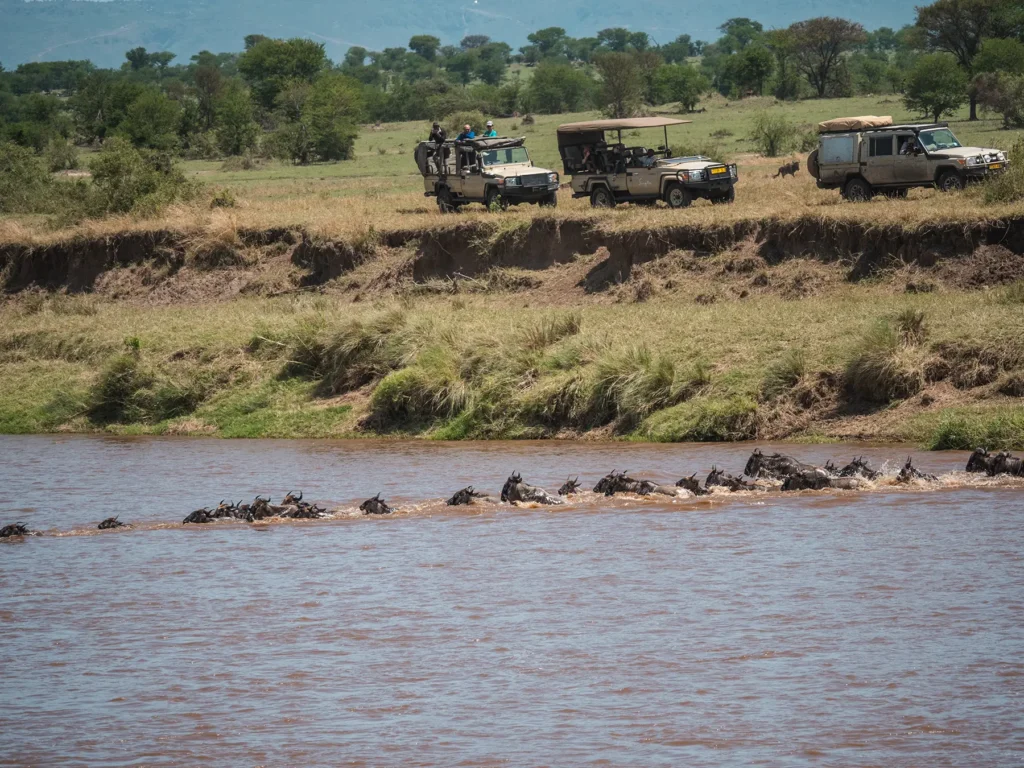
What makes a Maasai Way safari different? It is our Indigenous Intelligence. A modern GPS can tell you where you are, but it cannot tell you what a bent blade of grass or the specific alarm call of a Grey Lourie bird means. Our guides were born in these landscapes. They don’t just “find” animals; they read the “newspaper of the bush” written in the dust and the trees.
Pillar II: The Rooftop of Africa
Climbing Kilimanjaro with Purpose
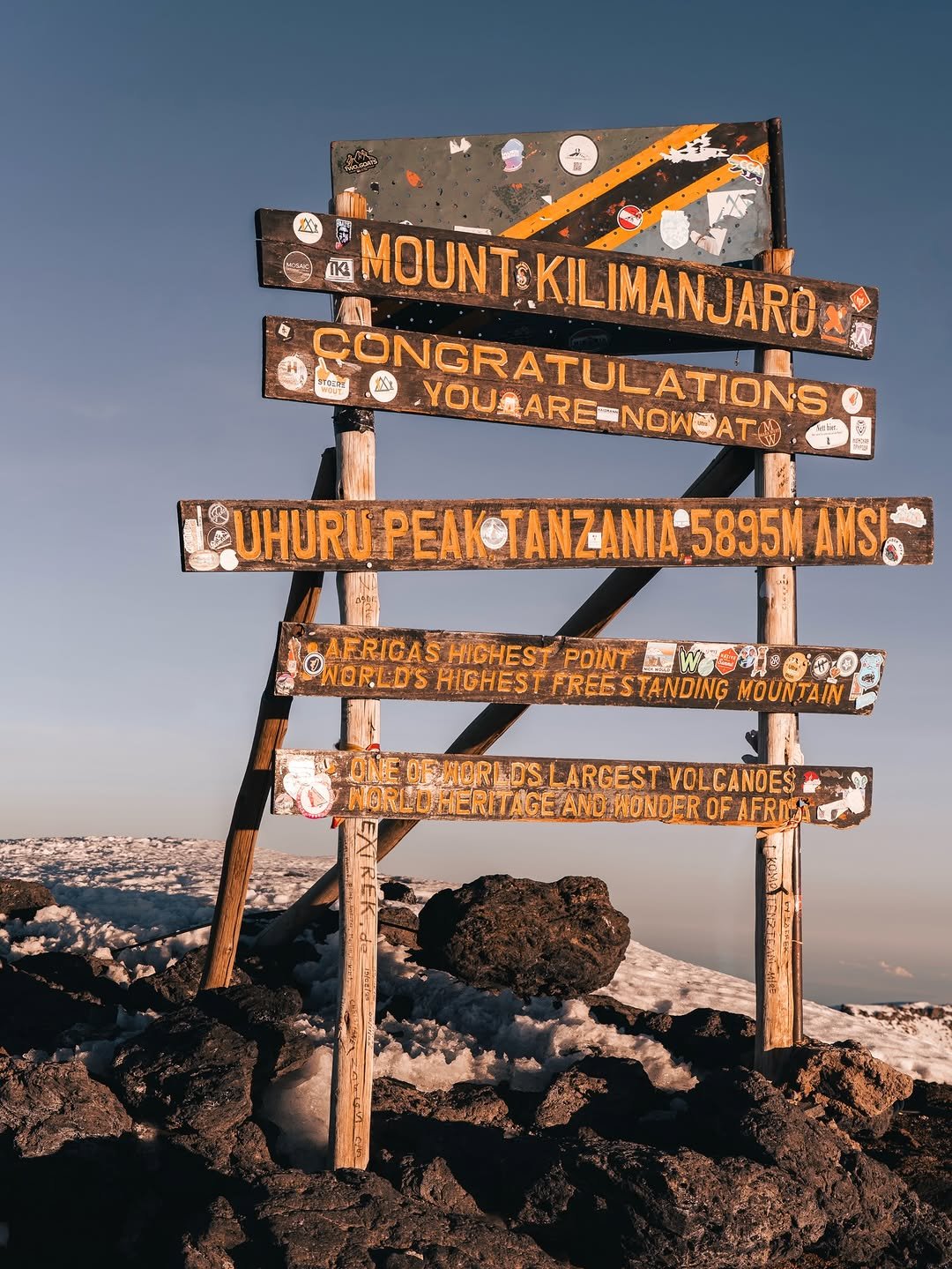
Mount Kilimanjaro (5,895m) is more than a mountain; it is a physical and spiritual journey through five distinct ecosystems—from tropical rainforest to arctic desert.
The “Slow Climb” Philosophy
The greatest mistake climbers make is rushing the ascent. “Pole Pole” (Slowly, Slowly) is the mantra of the mountain. At Maasai Way, we specialize in the Lemosho and Machame routes, extending our itineraries to 7 or 8 days to ensure maximum acclimatization and a 95%+ summit success rate.
The Crew: Your Mountain Family
Your success on the mountain depends on the people carrying your gear and preparing your meals. We pride ourselves on the highest standards of porter welfare in the industry. When our crews are happy, healthy, and well-equipped, they create an atmosphere of joy and resilience that carries you to Uhuru Peak.
Pillar III: Cultural Sovereignty
Meeting the Maasai, Not a “Performance”
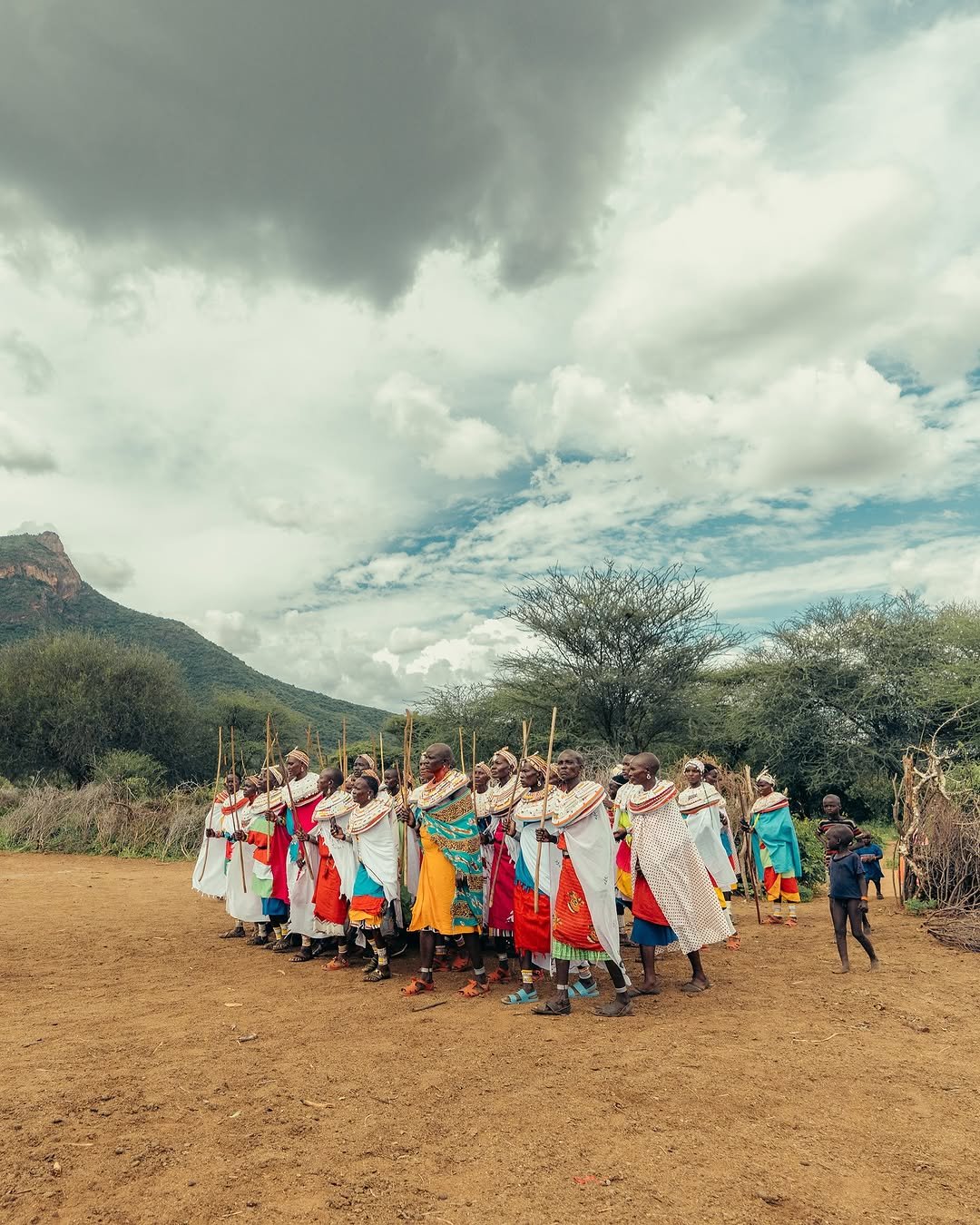
Cultural tourism in Africa is often criticized for being staged or exploitative. We are changing that narrative. As a Maasai-owned and operated company, we invite you into our Bomas (homesteads) as guests, not as spectators.
The Meaning of the Shuka
When you walk with a Maasai warrior, you learn that every color in our traditional Shuka has a meaning.
- Red: The color of bravery and the blood that connects us to the earth.
- Blue: The color of the sky and the water that sustains our cattle.
- Green: The health of the land.
We teach you the ancient art of medicinal plants, the traditional songs of the Moran, and the intricate beadwork of the Maasai women. This isn’t a “tour”—it’s a dialogue between cultures. By visiting us, you directly support local schools and clean water initiatives, ensuring that our culture thrives in a changing world.
Pillar IV: The Spice Island
The Blue Healing of Zanzibar
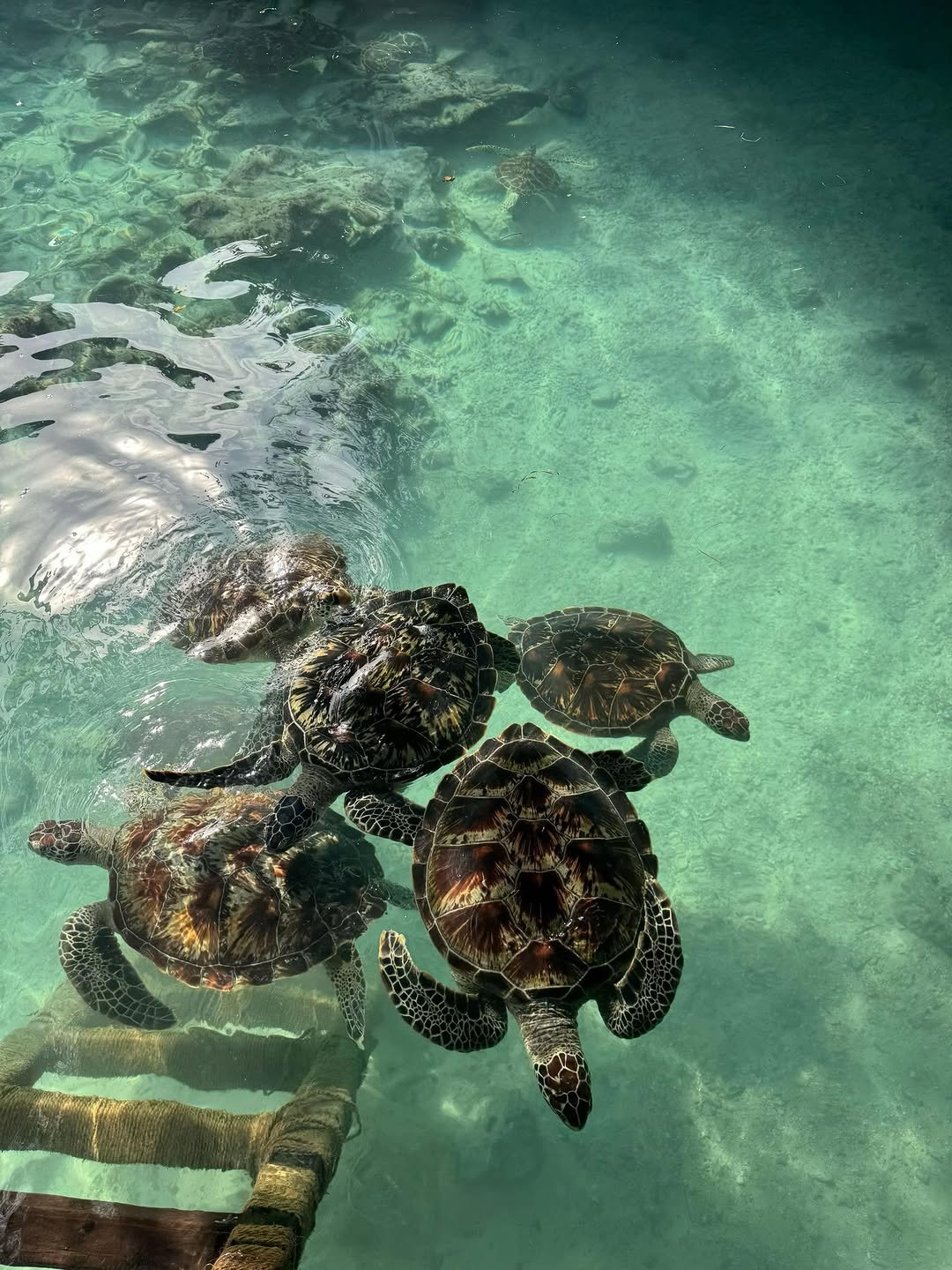
After the dust of the Serengeti and the cold of Kilimanjaro, the soul craves the sea. Zanzibar (Unguja) is the perfect finale.
Stone Town: A Walk Through Time
The winding alleys of Stone Town are a sensory overload of cloves, cinnamon, and ancient carved doors. It is a place where Persian, Arab, Indian, and African cultures have melded for a millennium.
The North vs. The East Coast
- Nungwi and Kendwa (North): Best for those seeking turquoise waters that stay swimmable regardless of the tide. Home to vibrant sunsets and luxury beach resorts.
- Matemwe and Paje (East): The “Kite-Surfing Capital” and home to the most authentic sand-bar excursions. Here, the tide recedes for miles, revealing a lunar-like landscape of seaweed farms managed by local women.
Your Journey Starts with a Conversation
Africa has a way of changing you. You will arrive as a traveler, but you will leave as a storyteller. You will find that your perspective has shifted; that your breath is deeper; that you feel a strange, haunting pull to return before you have even boarded your flight home.
The “Maasai Way” is not just about where we go; it is about how we travel. It is about respect, stillness, and the celebration of the wild.
Are you ready to write your African chapter?